Signs You Need Trenchless Pipe Repair
If you're experiencing any of the following, it's time to schedule service with a licensed plumber in Sterling Heights:
Sewer camera showing cracked, offset, or deteriorating pipe
Frequent sewer backups despite drain cleaning
Concern about disrupting landscaping or hardscaping
Old clay or cast iron sewer lines needing replacement
Sewage smell in yard near the sewer line path
What's Included
Here's what to expect when you call us for trenchless pipe repair in Sterling Heights:
Camera inspection to fully assess pipe condition and location
Pipe lining (CIPP) or pipe bursting depending on damage type
Minimal excavation — typically only access pits at each end
New liner or burst pipe bonded or set in place
Final camera inspection to confirm repair success
Our Trenchless Pipe Repair Process
From first contact to completed work, here's how we approach every trenchless pipe repair service call:
Full Camera Inspection
We run a camera through the entire affected line to map the damage and confirm trenchless is appropriate.
Select the Method
We explain whether pipe lining (adding a new liner inside the old pipe) or pipe bursting (replacing the pipe entirely) is better for your situation.
Prepare the Line
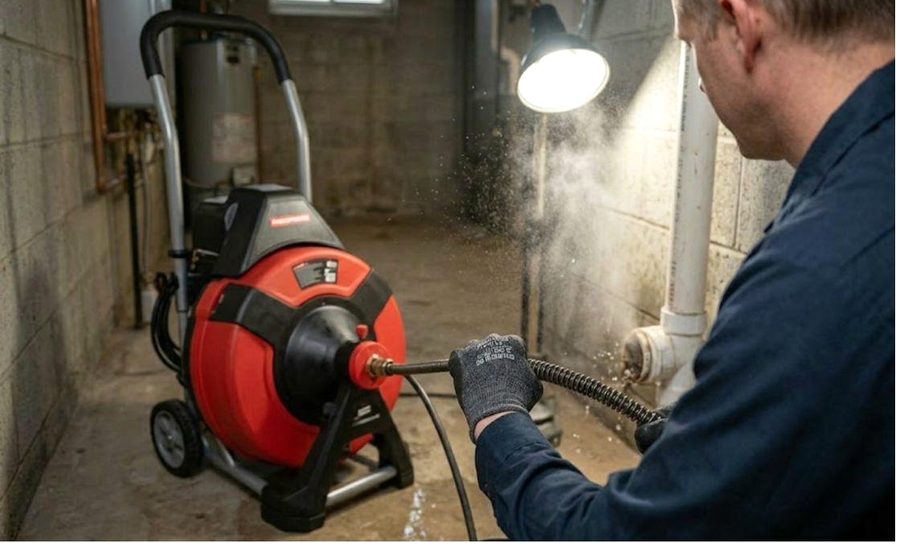
The existing line is thoroughly cleaned — usually hydro jetted — before any repair method is applied.
Complete the Repair
Liner is inserted and cured in place, or the pipe is burst and replaced — depending on method selected.
Final Camera Pass
We run a camera after repair to confirm the new pipe or liner is properly seated, sealed, and clear.
Related Plumbing Services
Trenchless Pipe Repair FAQs
Trenchless repair is a method of fixing or replacing underground pipes without excavating the entire pipe length. Access pits are dug at each end, but the yard or driveway above the pipe is largely undisturbed.
Trenchless is appropriate for pipes with cracks, deterioration, joint offsets, and many types of root damage. Severely collapsed pipes or pipes that have moved significantly out of alignment may require traditional excavation.
CIPP (cured-in-place pipe) liners are designed to last 50+ years when properly installed. They're resistant to root intrusion and corrosion.
Upfront costs can be comparable to or higher than traditional excavation, but when you factor in the cost of restoring landscaping, driveways, or hardscaping, trenchless typically saves money overall.
Most residential sewer and water lines are candidates. Pipes with very severe collapse, certain pipe materials, or specific damage patterns may require traditional methods. The camera inspection determines what's possible.