Check Your Water Meter First
The easiest DIY leak check: turn off all water fixtures and appliances in the home. Locate your water meter and check if the dial or digital display is still moving. If it is, water is flowing somewhere it shouldn't be. This confirms a leak but doesn't tell you where it is.
Warning Signs You Might Have a Hidden Leak
Watch for: unexplained increases in your water bill (even 20–30% is significant), soft or discolored areas on walls or ceilings, peeling paint or bubbling wallpaper, a musty or earthy smell in rooms with plumbing, and warm spots on flooring (which can indicate a hot water pipe leak beneath a slab).
Common Hidden Leak Locations
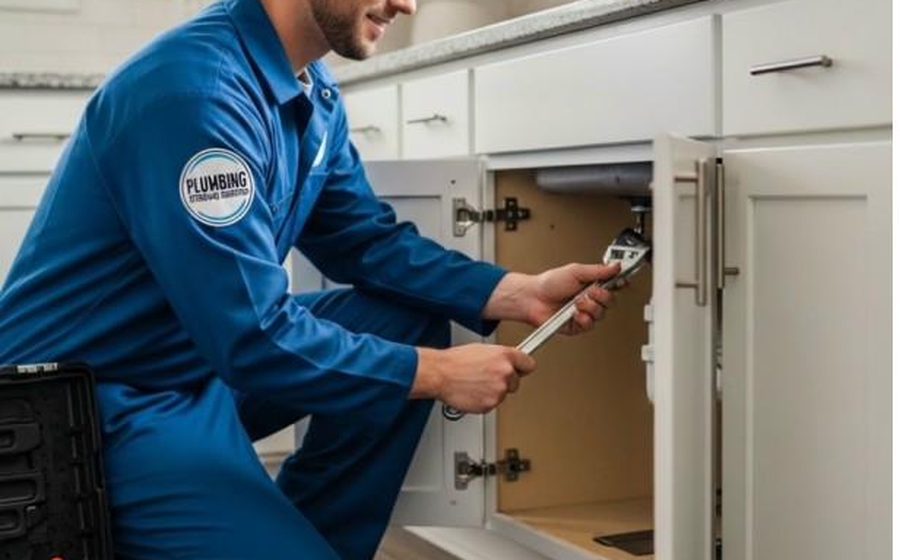
The most frequent culprits in Sterling Heights homes are under-sink supply lines (often the braided flexible lines), toilet tank fill valves, irrigation system connections, and slab leaks under concrete foundations. Slab leaks are among the most damaging — the water migrates through the concrete and can saturate the subfloor before showing any visible sign.
What Professional Leak Detection Involves
Professional leak detection uses pressure testing, acoustic listening equipment, thermal imaging, and in some cases tracer gas to locate leaks without unnecessary demolition. The goal is to identify the precise location and cause before any walls are opened. This is far more accurate and far less invasive than cutting drywall in hopes of finding the leak.
What Happens After the Leak Is Found
Once located, the repair options are presented clearly. Small, accessible leaks can often be fixed the same visit. Slab leaks or significant pipe damage may require more planning. Either way, you'll know the scope before any repair work begins.
Common Questions
Toilet flappers that don't fully close and deteriorated supply line connections under sinks are the most common. Both are inexpensive to fix but easy to miss because the water leaks internally or into a cabinet.
Many policies cover the repair of the source of the leak (the pipe) but not the resulting water damage, or vice versa. Read your policy carefully and document the issue thoroughly — professional leak detection reports help with claims.