Spring Checklist
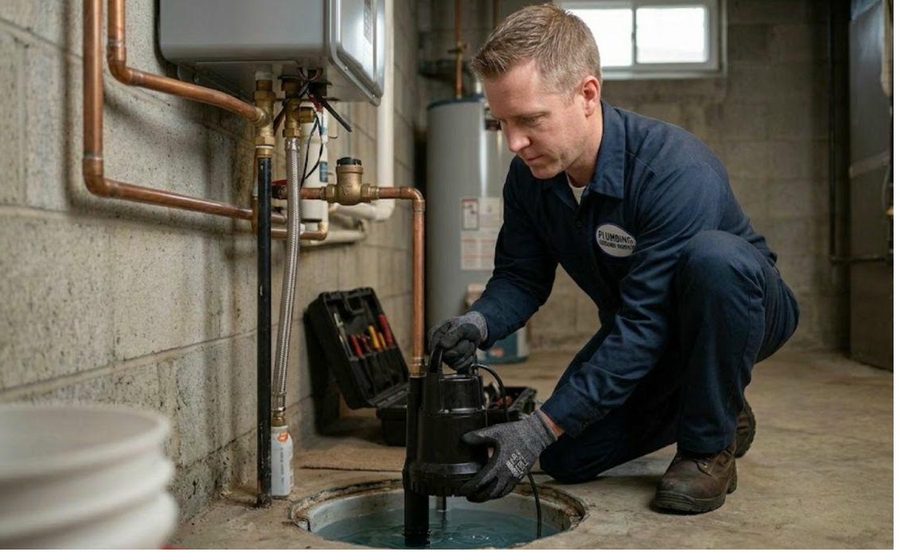
Check your sump pump: pour a bucket of water into the pit to confirm the float activates and the pump runs and discharges properly. Inspect outdoor hose bibs and irrigation connections that were shut off for winter — look for frost cracks or leaks. Check under all sinks for any signs of moisture or slow drips that may have developed over winter. Have the water heater anode rod inspected if it's been more than 3 years.
Summer Checklist
Run your irrigation system for a full cycle and walk the yard to look for sprinkler heads that are spraying incorrectly, pooling water over buried irrigation lines (possible break), or areas where the system isn't reaching. Check washing machine hose connections — summer heat accelerates rubber hose deterioration. Confirm your water softener, if you have one, has adequate salt.
Fall Checklist
Disconnect and drain all outdoor hoses before the first freeze. Shut off and drain irrigation systems — blow them out with compressed air if your system doesn't drain fully by gravity. Insulate any exposed pipes in unheated spaces like the garage or crawl space. Confirm your furnace is operating correctly, as heating failures create conditions for frozen pipes.
Winter Checklist
Know where your main water shutoff is before freezing temperatures arrive. Keep cabinet doors under sinks on exterior walls open during severe cold snaps to allow warm air to reach supply lines. If you're leaving the home for an extended period, set the thermostat to at least 55°F — don't shut the heat off completely. If you leave for a long trip, have someone check the home regularly.
Year-Round Habits That Prevent Problems
Check the toilet tank flapper every 6 months by placing a few drops of food dye in the tank — if color appears in the bowl without flushing, the flapper is leaking. Keep drain strainers in all showers and tubs. Don't put grease, coffee grounds, or fibrous waste down drains or disposals. Know where your main water shutoff is — it's the single most useful thing to know in any plumbing emergency.
Common Questions
Pipes begin to be at risk when ambient air around them reaches approximately 20°F (-7°C). Pipes in uninsulated exterior walls, garages, and crawl spaces are most vulnerable.
Turn off the interior shutoff valve supplying the outdoor faucet, then open the outdoor faucet to drain any remaining water. Disconnect garden hoses — a hose left attached traps water and can freeze back into the pipe even with a frost-free bib.