What Causes Pipes to Fail in Michigan Homes
Sterling Heights winters are the most common culprit — pipes in uninsulated spaces freeze, expand, and crack. Beyond cold weather, corrosion over time, high water pressure, and the age of galvanized steel pipes in older homes all contribute to pipe failures. If your home was built before 1970, there's a good chance it still has galvanized steel supply lines that have a finite remaining lifespan.
The Difference Between a Slow Leak and an Emergency
A slow drip from under a sink connection is not the same situation as a pipe that has burst inside a wall. Slow leaks deserve prompt attention — they waste water, promote mold growth, and can damage cabinetry and subflooring. But you have time to schedule a repair rather than require an emergency visit. A burst pipe or any active, uncontrollable leak is an emergency: shut the water off and call immediately.
When Spot Repair Makes Sense — and When It Doesn't
Repairing a damaged section of pipe makes sense when the rest of the pipe system is in good condition. If a pipe is showing signs of corrosion throughout — not just in one section — the better fix is a more comprehensive repiping rather than patching one failing spot after another.
What the Repair Process Looks Like
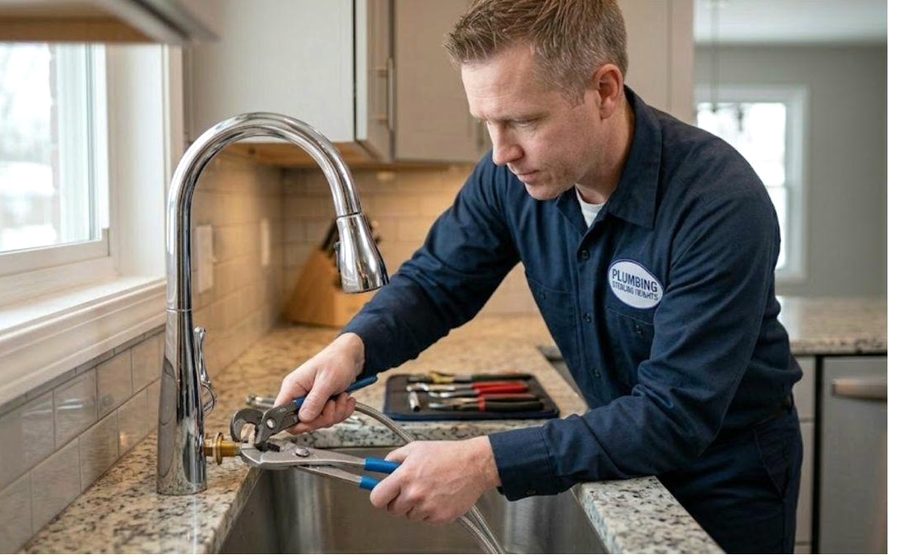
A plumber will locate the damaged section, assess whether the surrounding pipe is sound, and then cut out and replace the damaged portion using appropriate materials. In most cases this requires access to the pipe — which may mean opening drywall in some situations. A good plumber explains access requirements before cutting anything.
How to Minimize Damage While You Wait for Repair
If you have an active leak, shut off the water at the nearest valve. If that's not possible, shut off the main. Place buckets, towels, and plastic sheeting to redirect water away from electronics and structural materials. The water damage while waiting for a repair is often more costly than the repair itself — containment matters.
Common Questions
Galvanized pipes are a dull gray and have a slightly rough texture. If you scratch the surface with a key, galvanized steel will remain silver-gray rather than showing a copper color underneath. A plumber can confirm material and condition during an inspection.
Sometimes. Accessible pipes under sinks, in crawl spaces, or in utility areas can often be repaired without wall access. Pipes inside finished walls require opening drywall — but a good plumber minimizes the opening to what's necessary.